

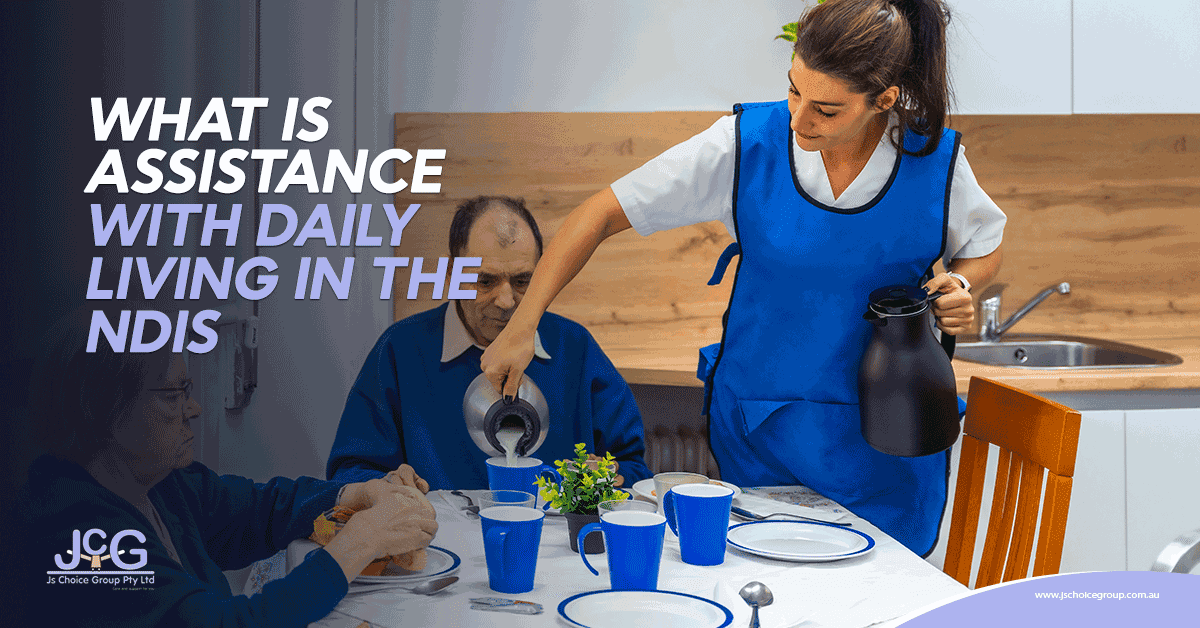
Assistance with Daily Life (often called Assistance with Daily Living) is a flexible NDIS support category that provides funding for a support worker to help you with everyday tasks. It is designed to assist participants in living as independently as possible, whether they reside in their own home, a rental, or a shared living arrangement.
Under the NDIS, participants can access this support to help with activities they would normally do themselves if they did not have a disability. This category falls under your Core Supports budget, meaning the funding is flexible; you can often move money between different Core categories to meet your changing daily needs.
How Assistance with Daily Living Works?
This support works by providing a disability support worker to visit your home and assist with personal or household chores. Support providers typically help with tasks that build your capacity, aiming to help you learn how to perform these activities yourself over time where possible.
The amount of funding provided depends on your individual goals and the impact of your disability on your functional capacity. It can range from a few hours of help each week to several hours of daily assistance.
Key Areas of Daily Support
Personal Care: Helping with showering, dressing, toileting, and oral hygiene.
Household Management: Assistance with cleaning, laundry, dishwashing, and basic home maintenance.
Nutrition and Meals: Help with grocery shopping, meal planning, and cooking.
Daily Administration: Support with managing appointments, paying bills, and organizing your weekly schedule.
The Benefits of Daily Living Support
The primary benefit of this support is the increased autonomy it provides to NDIS participants. By having a support worker handle or assist with difficult tasks, you can focus your energy on other goals, such as community participation or finding employment.
Maintain Independence: Stay in your own home longer rather than moving into more intensive residential care.
Build Life Skills: Learn new ways to handle household tasks under the guidance of a professional.
Improved Health and Wellbeing: Ensuring your home is clean and you are eating nutritious meals directly impacts your physical health.
Safety and Security: Having someone assist with transfers or higher-risk tasks like cooking reduces the chance of accidents at home.
Pro Tip: If your daily support needs are very high and require 24/7 care, you might also be eligible for Supported Independent Living (SIL), which is a more intensive version of daily living assistance.
Who is Eligible for Assistance with Daily Living?
Most NDIS participants who have a physical, sensory, or intellectual disability that affects their ability to manage everyday tasks will have some level of this funding in their plan.
When is it Funded?
The NDIA funds this support when it is "reasonable and necessary". This means:
The support is related to your disability.
It helps you achieve your goals, like living independently.
It represents value for money compared to other supports.
It is not a task that family members or friends would normally do as part of "informal support".
If you are unsure how to maximize your Core budget for these tasks, an NDIS support coordination provider can help you find the right support workers for your home.
Frequently Asked Questions
Can I use my Daily Living funding for gardening?
Yes, if your disability prevents you from maintaining your garden and it is considered a reasonable and necessary way to keep your home safe and accessible, the NDIS can cover basic yard maintenance.
Does this support cover the cost of my groceries?
No. The NDIS funds the person who helps you do the shopping and cooking, but you must pay for the actual food and groceries yourself.
Can a support worker help me with my pets?
Generally, no. The NDIS considers pet care a standard lifestyle expense that is not directly related to a person's disability, though there are rare exceptions for specialized assistance animals.
Conclusion
Assistance with Daily Living is often the "backbone" of an NDIS plan, providing the essential support needed to get through each day with dignity. By understanding how to use this flexible funding, you can create a home environment that truly supports your lifestyle.
If you are exploring NDIS support options, understanding your plan and available services can help you make informed decisions for your care and independence. To find out more about connecting with home-based workers, check out our guide on NDIS personal care services.