
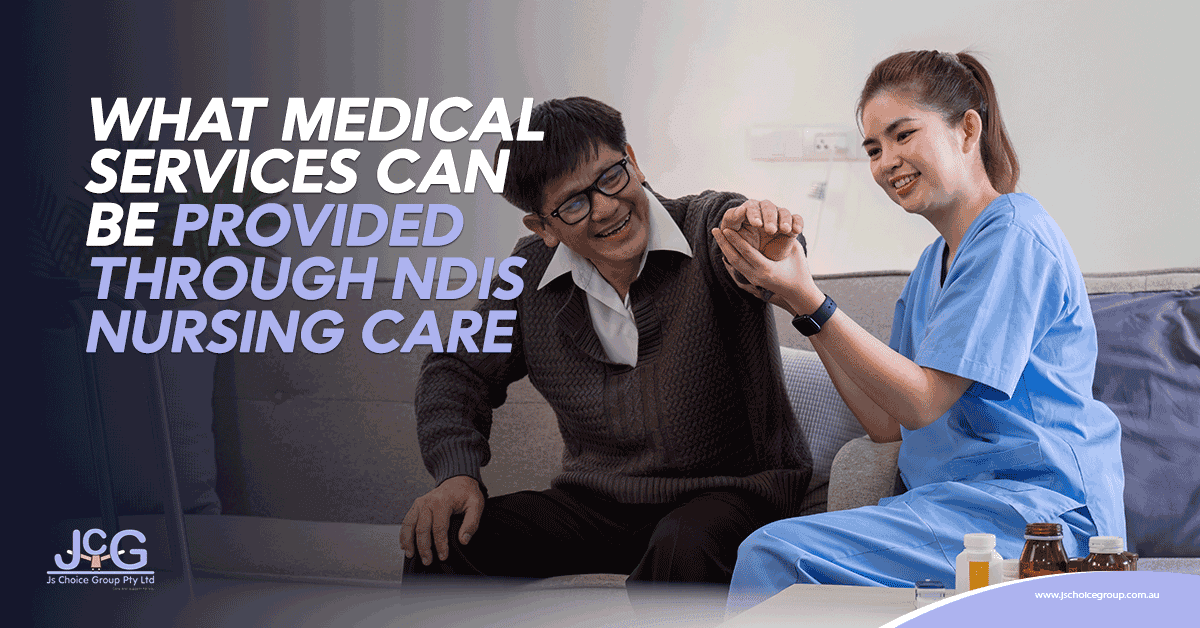
NDIS nursing care, often referred to as community or home nursing, provides a wide range of skilled clinical services that allow participants to manage complex health conditions in the comfort of their own homes. These services are delivered by Registered Nurses (RNs) or Enrolled Nurses (ENs) and are specifically designed to address disability-related health needs that require a higher level of expertise than a standard support worker can provide.
Under the NDIS, these medical services ensure participants receive evidence-based care, proactive health monitoring, and timely clinical interventions. By providing professional oversight for chronic conditions and complex procedures, community nursing helps prevent health crises and minimizes the need for hospital stays.
Core Medical and Clinical Services
Support providers typically deliver several key categories of clinical care depending on the participant's unique medical requirements.
1. Medication Management and Administration
Nurses ensure the safe delivery of prescribed treatments, which is critical for participants with high-risk medication regimes.
Complex Administration: Providing medications via injections (such as subcutaneous insulin) or intravenous (IV) infusions.
Safety Monitoring: Observing participants for side effects or adverse reactions and coordinating reviews with GPs and pharmacists.
Management of S8 Medications: Handling high-level restricted medications with clinical precision and compliance.
2. Complex Wound Care and Pressure Management
Professional wound management is essential for preventing infections and promoting healing for participants with limited mobility.
Post-Operative Support: Assessing and treating surgical wounds after a participant returns home from the hospital.
Chronic Wound Treatment: Managing pressure injuries, leg ulcers, and other long-term skin integrity issues.
Prevention Strategies: Developing individualized plans to monitor skin status and prevent future pressure sores.
3. Respiratory and Ventilation Support
Nurses provide life-sustaining care for participants with complex breathing requirements.
Ventilator Management: Ongoing monitoring and troubleshooting of home ventilation equipment.
Tracheostomy Care: Specialized cleaning, suctioning, and site management to ensure clear airways.
Oxygen Therapy: Administering and monitoring medical oxygen and conducting respiratory assessments.
4. Continence and Catheter Management
Clinical oversight for bowel and bladder health is a common component of NDIS nursing plans.
Catheter Care: Professional insertion, maintenance, and troubleshooting of indwelling (IDC) or suprapubic catheters.
Stoma Management: Providing cleaning and appliance changes for colostomies or urostomies and educating carers on hygiene.
Program Development: Conducting formal assessments and creating bowel or bladder management programs.
5. Enteral Feeding and Nutrition Support
Nurses manage the technical aspects of nutrition for participants who cannot eat orally.
Tube Management: Caring for and managing PEG, PEJ, and nasogastric (NG) tubes.
Feeding Administration: Overseeing the safe delivery of feeds and managing risks like aspiration.
Equipment Troubleshooting: Fixing or replacing feeding pumps and related specialized medical hardware.
Specialized Procedures and Chronic Disease Support
In addition to daily clinical tasks, NDIS nurses can perform specialized medical procedures that bridge the gap between home care and hospital services.
Chronic Disease Management: Monitoring vital signs and symptoms for conditions like diabetes, cardiovascular disease, and chronic respiratory disorders.
Seizure Monitoring: Administering emergency medications and overseeing specialized assessments during neurological events.
Blood Testing and Pathology: Collecting samples for testing to monitor health status without requiring a trip to a clinic.
Palliative Care: Providing compassionate clinical support, pain management, and emotional guidance for participants with life-limiting conditions.
Expert Tip: If you require clinical oversight to stay safe at home, your NDIS support coordination team can help you gather medical reports to justify nursing funding in your plan.
Frequently Asked Questions
Can NDIS nurses perform surgery or prescribe medicine?
No. NDIS nurses can only administer medications that have been prescribed by your doctor. While they cannot perform surgery, they provide vital post-operative care and wound management once you return home.
Is clinical care different from personal care?
Yes. Clinical care requires a qualified nurse for tasks like injections or catheter changes. Personal care involves daily tasks like showering or dressing, which are typically performed by disability support workers.
How do I know if I need a nurse instead of a support worker?
You likely need a nurse if your medical needs involve clinical risks that cannot be safely managed by someone without medical training, such as managing a ventilator or providing complex wound care.
Conclusion
Understanding the medical services available through your plan is the best way to ensure your health is supported while you live independently. These professional supports provide the clinical foundation needed for you to focus on your personal goals and community life.
If you are exploring NDIS support options, understanding your plan and available services can help you make informed decisions for your care and independence. For assistance in coordinating these high-level medical supports, learning more about NDIS support coordination can be a valuable next step.