Most people know that NDIS group activities exist. Far fewer people know just how varied, purposeful, and genuinely enjoyable they can be. NDIS group activities are not a one-size-fits-all program. They span creative arts and fitness, life skills and work readiness, social outings and therapeutic group work.
The right program depends on who you are, what you want to build, and what brings you to life. And when you find the right fit, the difference in confidence, connection, and daily wellbeing can be significant.
This guide breaks down every major type of NDIS group activity, explains what each one involves in practice, and helps you understand which types are most likely to align with your goals.
Life Skills and Independence Activities
Life skills programs are among the most practical and widely used NDIS group activities available. These programs focus on the everyday tasks and competencies that allow participants to live more independently, make decisions for themselves, and manage their day-to-day life with confidence.
Common life skills covered in group programs include:
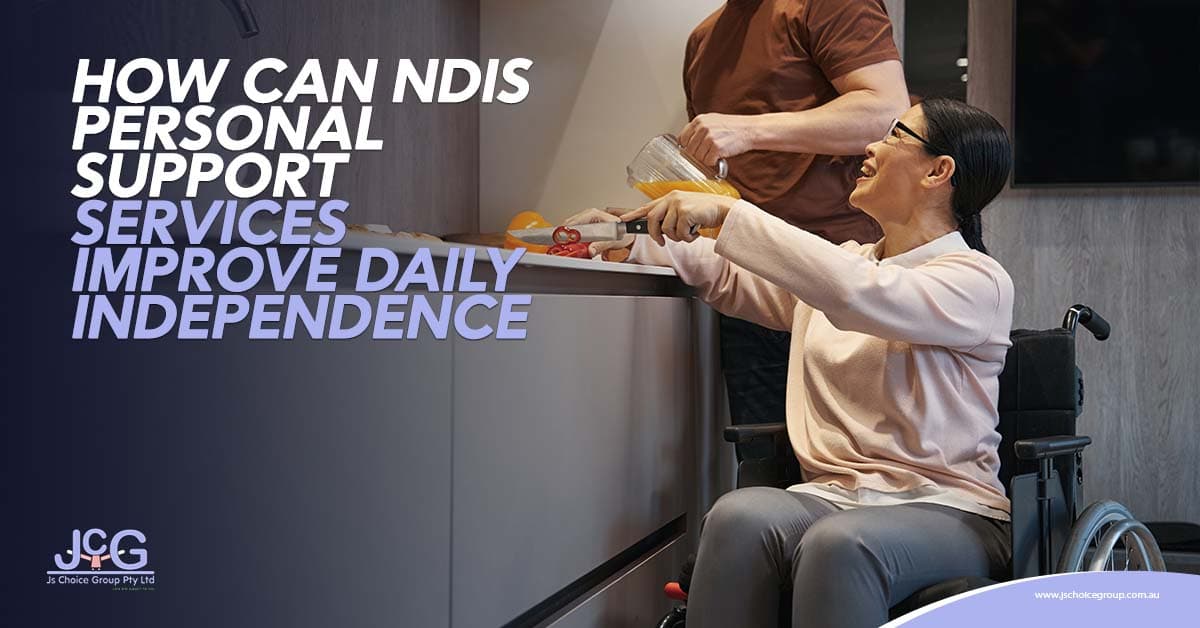
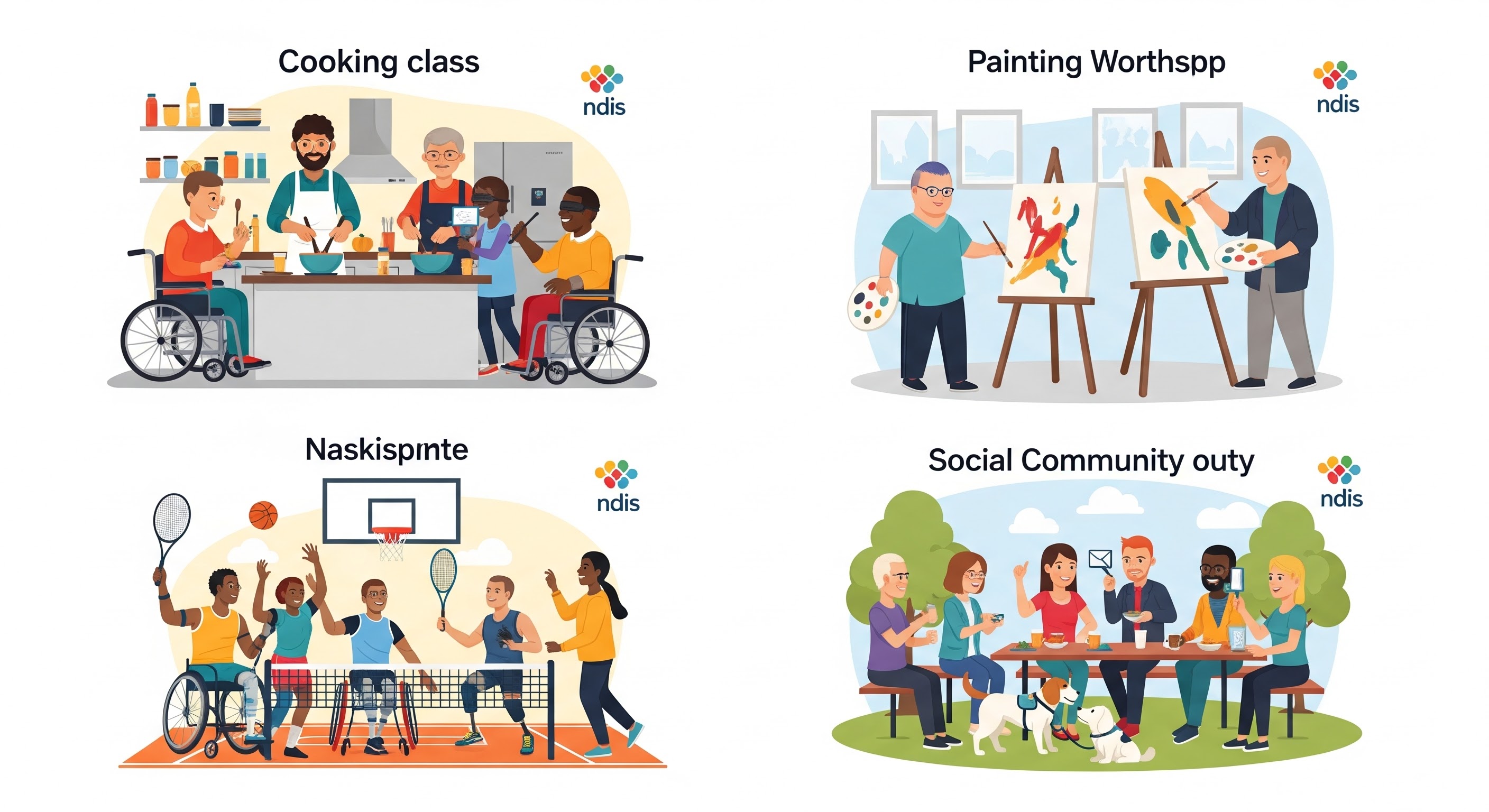
Cooking and meal planning: participants learn to prepare meals safely, understand nutrition, manage grocery budgets, and build independence in the kitchen
Managing money and budgeting: practical sessions on understanding bills, using banking apps, making purchases, and managing a weekly budget
Home organisation and cleaning: learning how to maintain a safe and comfortable living environment, building routines around household tasks
Public transport and travel training: building the skills and confidence to navigate buses, trains, and trams independently
Health and self-care: understanding medication, personal hygiene routines, and how to communicate with healthcare providers
Life skills NDIS group activities work particularly well for young adults who are building toward greater independence after school, or for participants who have relocated into a new living arrangement and need to develop practical household competencies.
Creative Arts and Cultural Programs
Creative arts programs are one of the most powerful and often underrated categories of NDIS group activities. They provide a structure for self-expression, confidence-building, cultural celebration, and connection that participants often describe as genuinely transformative.
These programs include:
Visual arts: painting, drawing, printmaking, ceramics, and other visual media that allow participants to express themselves without the pressure of verbal communication
Music programs: group music-making, songwriting, instrument exploration, and performance opportunities that build confidence, rhythm, and teamwork
Drama and storytelling: acting, improvisation, and storytelling workshops that develop communication, empathy, and social confidence in an engaging, low-pressure environment
Dance and movement: structured dance programs that combine physical activity with self-expression and social connection
Cultural arts and celebrations: programs that celebrate the diverse cultural backgrounds of participants, building pride, belonging, and cross-cultural understanding
For participants with complex communication differences, creative arts NDIS group activities can be especially significant. Expression through art, music, or movement does not require words. For many participants, these programs provide a form of communication and connection they cannot access elsewhere.
In Melbourne's western suburbs, where participants come from richly diverse cultural backgrounds, culturally responsive arts programs that reflect and celebrate that diversity are particularly valuable.
Fitness and Active Recreation
Physical activity is closely linked to mental health, independence, and quality of life. NDIS group activities in this category make fitness accessible, social, and genuinely enjoyable for participants who may not otherwise have easy access to exercise and recreation.
These programs include:
Supported gym and strength sessions: structured fitness programs run in accessible gym environments, with support workers present to assist with equipment and safety
Swimming programs: group aquatics sessions that combine physical fitness with a highly enjoyable, sensory-friendly environment
Walking and outdoor activity groups: regular group walks in local parks and community spaces that combine physical activity with social connection and time outdoors
Team and court sports: modified or accessible versions of sports such as basketball, bocce, bowling, or volleyball, run in inclusive, participant-friendly formats
Yoga, stretching, and mindfulness movement: structured group programs that combine physical wellbeing with relaxation, breath awareness, and emotional regulation
Fitness-based NDIS group activities are not just about physical health. Regular physical activity reduces anxiety, improves sleep, builds routine, and creates a predictable, enjoyable anchor in a participant's week.
Social Outings and Community Inclusion Programs
Social outings are among the most popular NDIS group activities, and it is easy to understand why. Getting out into the community, experiencing new things, and doing it alongside other people is one of the simplest and most human ways to feel included and alive.
These programs include:
Community outings: visits to local cafes, markets, galleries, cinemas, bowling alleys, and community events, supported by staff who help participants navigate these environments with confidence
Dining and cooking outings: group dining experiences at restaurants, cultural food events, or cooking classes run outside the centre
Nature and environmental activities: beach visits, national park walks, botanic garden outings, and other nature-based experiences that promote wellbeing and connection
Cultural and community events: attending local festivals, multicultural events, and community celebrations that build a genuine sense of belonging within the broader community
Volunteering programs: structured group volunteering opportunities that build confidence, purpose, and community connection simultaneously
Social outing NDIS group activities are particularly effective for participants at risk of social isolation. They create shared experiences, shared memories, and the kind of natural conversation that builds real connection over time.
Vocational and Work-Readiness Activities
For participants with employment as a goal, vocational NDIS group activities provide a structured, supportive environment to build the skills, habits, and confidence that employment requires.
These programs are not job placement services. They are capacity-building programs that help participants get ready for employment pathways by developing the foundations they need.
Common vocational group activities include:
Work readiness workshops: sessions on resume writing, interview skills, workplace communication, and professional presentation
Workplace simulation activities: group tasks that replicate workplace scenarios, including following instructions, managing time, collaborating with colleagues, and responding to feedback
Industry exploration programs: structured experiences in different work environments that help participants identify what kinds of work interest and suit them
Hospitality and customer service training: practical group programs in food preparation, front-of-house service, and customer interaction
Digital skills programs: building computer literacy, email communication, and basic workplace digital skills in a group setting
Vocational NDIS group activities connect directly to the Assist Life Stage Transition category for school leavers, and to employment and education support goals for adult participants.
Therapeutic and Wellbeing Group Programs
Therapeutic NDIS group activities sit at the intersection of wellbeing, clinical support, and social participation. They are designed and facilitated by or in partnership with allied health professionals, and they target specific therapeutic outcomes within a group setting.
These programs include:
Social skills groups: structured programs facilitated by speech pathologists or psychologists that develop specific communication and social interaction skills in a safe, goal-directed environment
Mindfulness and emotional regulation groups: programs that teach participants to understand their emotions, manage stress, and regulate their responses to challenging situations
Sensory programs: group activities designed around sensory exploration and regulation, particularly relevant for participants with ASD, ADHD, or sensory processing differences
Grief, loss, and adjustment groups: peer support programs for participants navigating significant life changes or emotional challenges
Peer support and connection groups: facilitated group conversations that reduce isolation, build shared understanding, and create genuine peer community among participants with similar experiences
Therapeutic group programs often overlap with the NDIS therapeutic supports category. Depending on how they are structured and delivered, they may be funded under Core Supports, Capacity Building, or a combination of both.
How to Match NDIS Group Activities to Your Goals
With such a wide range of NDIS group activities available, the question is not whether there is a program to suit you. The question is which programs align most closely with your specific NDIS goals, your interests, and what you want your week to look like.
A practical way to approach this is to start with your goals and work outward. If independence is a priority, life skills and vocational programs are likely to be most relevant. If connection and belonging are the goals, social outings and arts programs are a strong starting point. If wellbeing and regulation are central to your plan, therapeutic and fitness group programs deserve serious consideration.
You do not have to choose just one. Many participants attend two or more different types of NDIS group activities each week, combining them to build a rich, varied, and purposeful weekly routine.
Your Support Coordinator, or a registered provider like JS Choice, can help you map out which NDIS group activities are available in your area, which ones fit your plan budget, and how to structure a week that works for your goals and your life.
How JS Choice Group Can Help
At JS Choice, we offer a range of NDIS group activities across Melbourne's western and northern suburbs, designed to be genuinely inclusive, culturally responsive, and neuro-affirming.
Whether you are drawn to creative programs, life skills, fitness, social outings, or something else entirely, we would love to talk through what is available and find the right fit for your goals and your personality. Explore our group and centre-based activity programs or reach out directly to start the conversation.