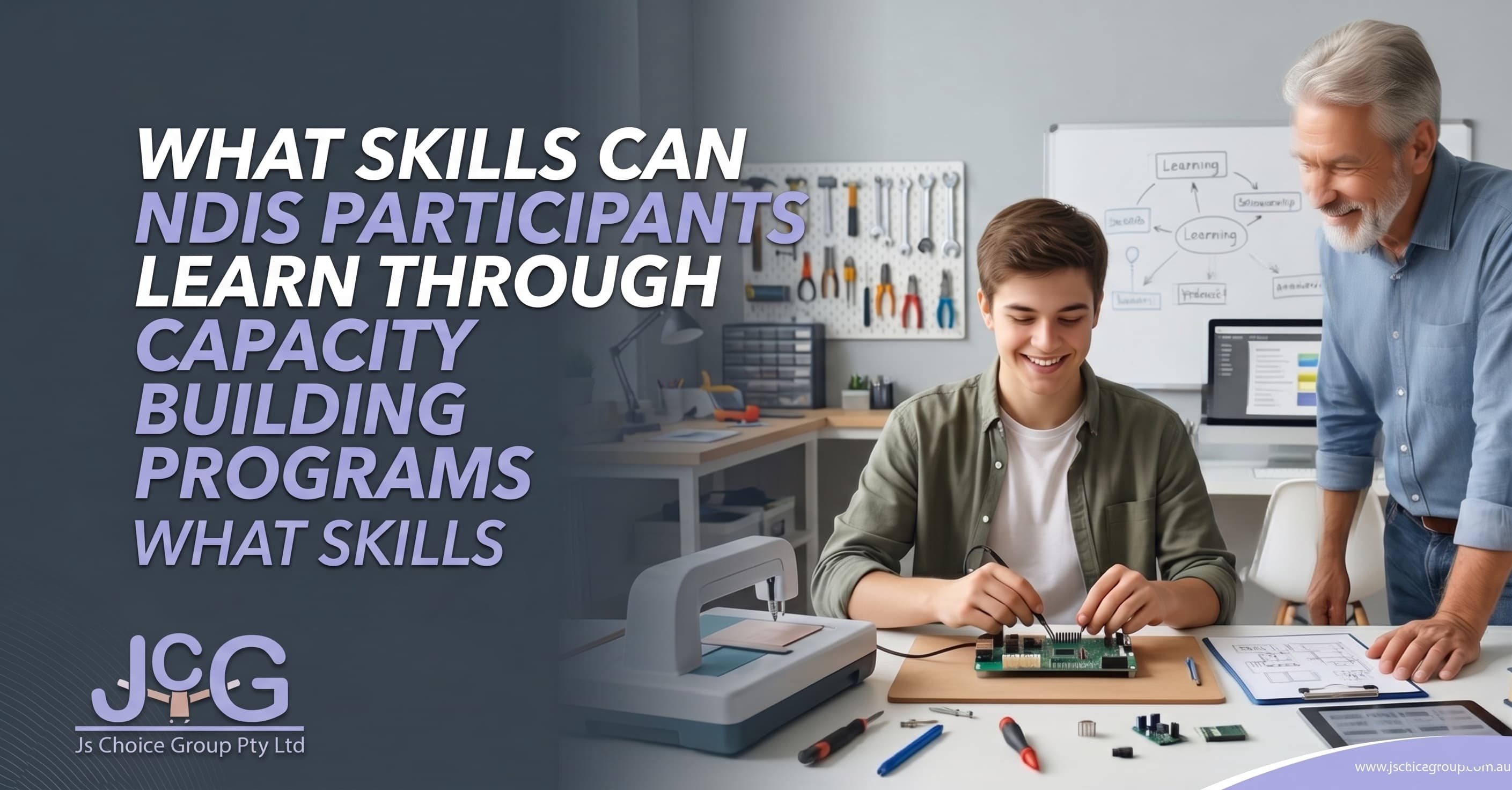
Through Capacity Building Programs, NDIS participants can learn essential life skills such as financial management, communication, social interaction, and daily living tasks like cooking and cleaning. These programs focus on strengthening a participant's ability to live independently and participate fully in the community.
By investing in skill development, the NDIS aims to reduce long-term reliance on active support and empower individuals to achieve their personal and professional goals. Under the NDIS, participants can access a variety of skill-building supports tailored to their specific needs.
Unlike Core Supports, which provide immediate daily living assistance, Capacity Building funding is an investment in your future autonomy. Whether you want to master public transport or manage your own NDIS plan, these programs provide the training and resources necessary to build a more self-reliant life.
What Are NDIS Capacity Building Programs?
Capacity Building Programs are a specific category of NDIS funding designed to help participants build the skills and confidence required to lead an independent life. While Core Supports handle your current needs, Capacity Building is about your future. These programs are focused on "capacity"—your actual ability to perform tasks, make decisions, and interact with the world around you.
Support providers typically help with structured learning and therapy that align with the goals in your NDIS plan. This funding is divided into several sub-categories, such as "Increased Social and Community Participation" or "Improved Daily Living," ensuring that the skills you learn are relevant to your unique circumstances.
Essential Skills Participants Can Master
The range of skills covered under these programs is vast, touching almost every aspect of adult life. In professional disability support, we categorize these skills into several key pillars of independence.
1. Daily Living and Household Skills
Learning to manage a home is often the first step toward moving into Supported Independent Living (SIL). Participants can learn:
Nutrition and Meal Prep: Understanding healthy eating and safely preparing meals.
Domestic Chores: Managing laundry, cleaning, and basic home maintenance.
Personal Care: Building routines for hygiene and self-care to reduce reliance on NDIS personal care services.
2. Financial Literacy and Plan Management
Understanding money is critical for choice and control. Capacity building helps with:
Budgeting: Learning how to track spending and save for goals.
Managing NDIS Funding: Understanding how to use your budget and navigate plan management options.
Paying Bills: Developing the skills to handle utilities, rent, and other regular expenses.
3. Communication and Social Skills
Building relationships is a core part of community participation services. Programs focus on:
Social Cues: Learning to navigate different social environments and conversations.
Self-Advocacy: Building the confidence to speak up for your rights and needs.
Conflict Resolution: Developing healthy ways to handle disagreements with peers or support staff.
4. Travel and Community Access
Freedom of movement is a major milestone for many participants. Training includes:
Public Transport: Learning to read timetables, use transport cards, and plan routes.
Road Safety: Building the awareness needed to navigate streets safely.
Using Specialized Services: Learning how to book and use disability transport services effectively.
How Capacity Building Differs from Core Supports
It is helpful to view the difference between these two funding categories through the lens of a "doing for" versus "learning to" approach.
Core Supports (Daily Living) | Capacity Building (Skill Development) |
A support worker cooks your dinner. | A trainer teaches you how to cook a meal safely. |
A driver takes you to the shops. | A mentor teaches you how to catch the bus. |
A cleaner mops your floors. | You learn the routine and techniques to clean your home. |
NDIS plans often include funding for both. While you may always need some level of Core Support, Capacity Building aims to make those supports more efficient by increasing your own contribution to your daily life.
The Role of Support Coordination in Skill Building
Navigating the various providers that offer skill-building can be complex. This is where NDIS support coordination becomes vital. A support coordinator helps you:
Identify Gaps: Determine which skills will have the biggest impact on your independence.
Find Specialists: Connect you with therapists, mentors, or educators who specialize in your specific disability.
Monitor Progress: Ensure the programs you are attending are actually helping you reach your milestones.
Frequently Asked Questions
Who is eligible for NDIS in Australia?
To be eligible, you must be under 65, live in Australia as a citizen or permanent resident, and have a permanent and significant disability that affects your ability to take part in everyday activities.
Can Capacity Building help me find a job?
Yes. Many programs focus on "Finding and Keeping a Job." These help you build a resume, practice interview skills, and develop the workplace behaviors necessary for long-term employment.
Do I have to pay for these programs myself?
No. If the program is deemed "reasonable and necessary" and aligns with your goals, the NDIS will pay the provider directly through your plan's Capacity Building budget.
What if I don't reach my skill goal within one plan period?
The NDIS understands that learning takes time. If you can show progress, you can often have the funding continued in your next plan to ensure you master the skill completely.
Conclusion
Developing new skills is a journey that requires patience and the right environment. By utilizing NDIS Capacity Building Programs, you are not just getting through the day; you are actively shaping a future with more choices and greater freedom.
If you are exploring NDIS support options, understanding your plan and available services can help you make informed decisions for your care and independence. Taking the time to invest in your own capacity is the most effective way to achieve lasting results.