
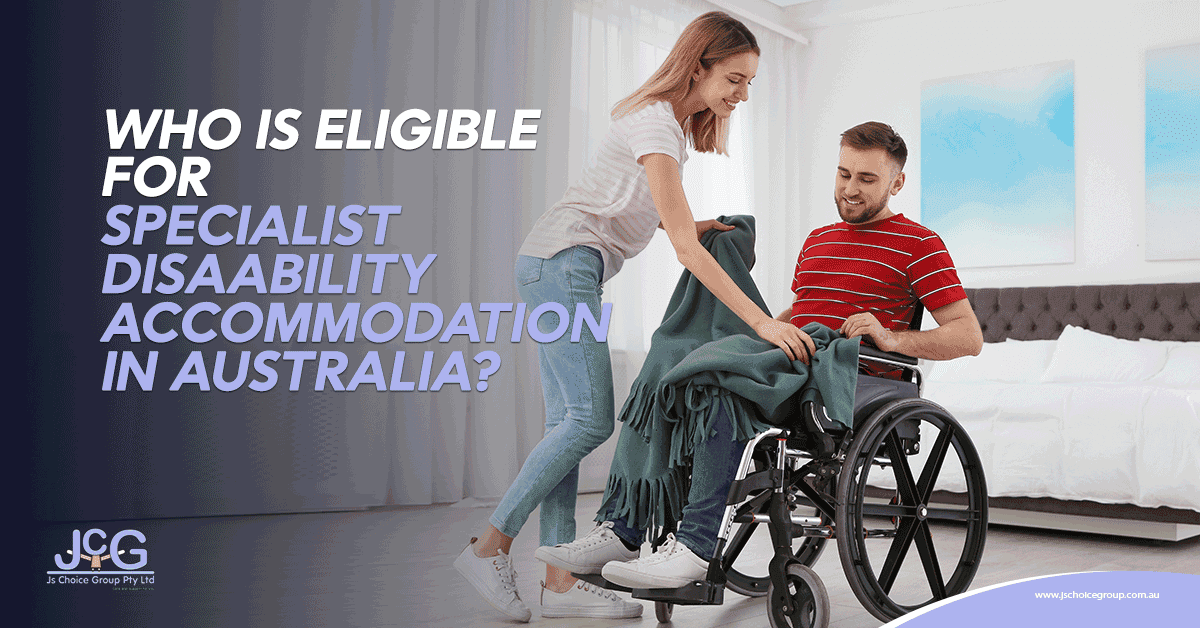
To be eligible for Specialist Disability Accommodation (SDA) in Australia, you must be an NDIS participant with an "extreme functional impairment" or "very high support needs" that requires a specially designed home. Generally, this means you require significant person-to-person support for most of the day or specialized housing features to live safely and independently.
Only about 6% of all NDIS participants qualify for this specific type of funding. Because SDA focuses on the "bricks and mortar" of a home rather than the care services inside it, the NDIA (National Disability Insurance Agency) uses strict criteria to ensure this high-level support reaches those who cannot have their needs met by mainstream housing.
What Is Specialist Disability Accommodation (SDA)?
Specialist Disability Accommodation in Australia refers to housing designed for people who require highly specialized living environments. These homes include accessible features, such as reinforced ceilings for hoists or advanced communication technology, that allow residents to live more independently.
It is important to understand that SDA funding only covers the cost of the physical building. Other supports, such as NDIS personal care services or Supported Independent Living (SIL), are funded separately in your plan to cover the cost of support workers who help with daily tasks.
Core Eligibility Requirements for SDA
Under the NDIS, participants can access SDA funding if they meet specific age, residency, and disability-related requirements.
Basic NDIS Criteria
Before applying for housing-specific funding, you must first be an active NDIS participant. This requires:
Being aged between 7 and 65 at the time of your application.
Being an Australian citizen, permanent resident, or holding a protected Special Category Visa.
Having a permanent and significant disability that affects your ability to take part in everyday activities.
Specialist Housing Needs Requirement
To qualify for SDA, you must demonstrate that mainstream housing, such as a private rental, social housing, or your family home, cannot meet your needs. Support providers typically help with gathering evidence to show that:
You have an extreme functional impairment, meaning you have very significant challenges in moving, communicating, or caring for yourself.
You have very high support needs, often requiring regular assistance throughout the day and night.
SDA is a "reasonable and necessary" support that will help you achieve your goals, such as living more independently or improving your community participation.
Planning Tip: Check if your current plan includes NDIS support coordination to help you gather the necessary allied health reports for your application.
The Four SDA Design Categories
NDIS plans often include funding for a specific "design category" based on your individual needs. There are four main categories used in Specialist Disability Accommodation in Australia:
Improved Liveability: Designed for participants with sensory, intellectual, or cognitive impairments. These homes feature enhanced wayfinding, clearer lines of sight, and improved lighting.
Fully Accessible: For people with significant physical impairments. These dwellings have full wheelchair access to the kitchen, bathroom, and outdoor areas, with no steps throughout the home.
High Physical Support: For those with extreme physical impairments who need intensive support. Features include emergency backup power, structural provisions for ceiling hoists, and assistive technology for communications.
Robust: Designed for participants with complex behaviors that may pose safety risks. These homes use high-impact materials, secure windows, and soundproofing to keep residents and staff safe.
How to Apply for SDA Funding?
The process of securing SDA is extensive and can take up to 12 months, so starting early is vital.
Step 1: Evidence Gathering
You will need strong evidence to support your request. This typically includes:
Functional Capacity Assessment (FCA): Usually completed by an Occupational Therapist to detail your daily limitations.
Allied Health Reports: Statements from specialists, psychologists, or GPs that confirm your permanent disability and housing needs.
Participant Housing Statement: A document where you explain your housing goals and why your current situation is unsuitable.
Step 2: Assessment and Decision
Once you submit your "Home and Living Supports Request Form" and evidence, the NDIA will assess your application. They aim to provide a decision within 60 days of receiving your completed submission.
Step 3: Finding a Vacancy
If approved, your plan will include a specific SDA budget. You can then search for vacancies through the SDA Finder tool or work with your support coordinator to find a registered provider.
Note: While SDA covers the building, you still pay a "Reasonable Rent Contribution" (usually 25% of your disability support pension plus any Commonwealth Rent Assistance) and your own daily living costs like groceries and utilities.
Frequently Asked Questions
Who is eligible for SDA in Australia?
Participants with an extreme functional impairment or very high support needs who require a specially designed home to live safely may be eligible. You must be under 65 years old and an Australian resident to apply.
What is the difference between SDA and SIL?
SDA (Specialist Disability Accommodation) funds the physical home or "bricks and mortar". SIL (Supported Independent Living) funds the person-to-person support services, like help with cooking or personal care, that happen inside the home.
Does the NDIS pay for my rent?
No, the NDIS does not pay your rent or everyday living costs like food and electricity. You pay a "Reasonable Rent Contribution" to your SDA provider, which is generally a portion of your pension.
Can I live in an SDA home by myself?
Yes, you may be able to live in SDA by yourself if the NDIA determines that this option best meets your disability-related goals and support needs.
Understanding your eligibility is the first step toward securing a home that supports your independence. While the application process is extensive, having a dedicated support team can help ensure your housing goals are clearly communicated to the NDIA.
If you are exploring NDIS support options, understanding your plan and available services can help you make informed decisions for your care and independence. For more information on navigating your plan, you might find it helpful to learn more about NDIS support coordination and how it connects you to specialized housing.