
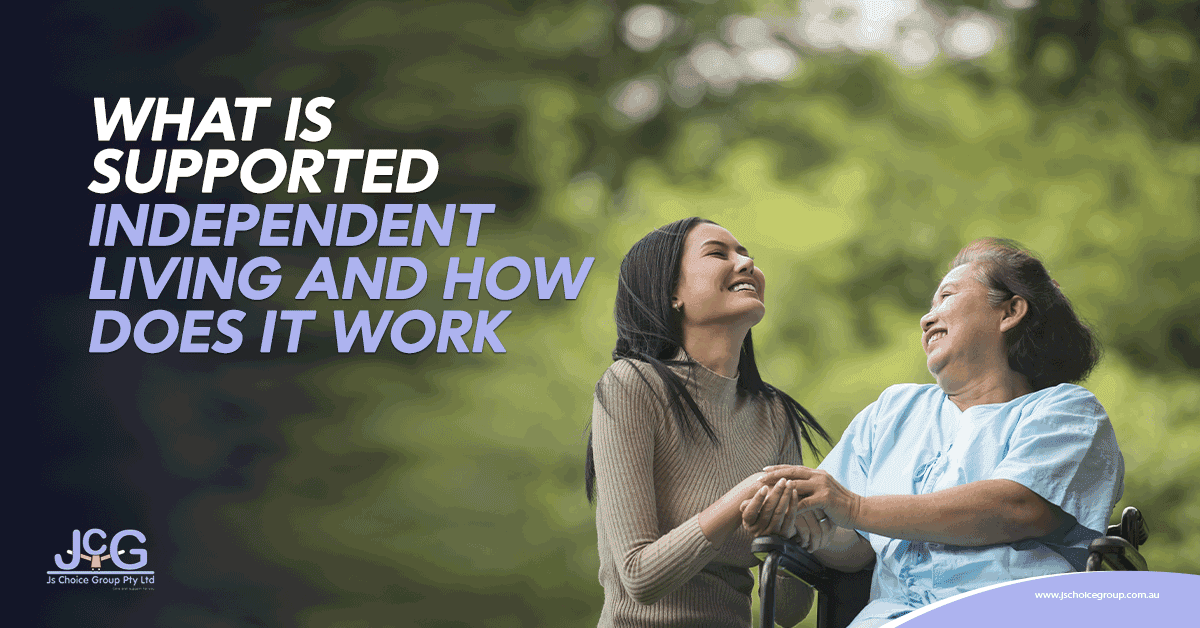
Supported Independent Living (SIL) is a type of NDIS-funded support that provides assistance with daily tasks to help you live as independently as possible while building your skills. It is primarily designed for participants with higher support needs who require person-to-person assistance, often available 24/7, to manage their day-to-day routines safely.
Under the NDIS, participants can access SIL funding to pay for support workers who help with personal care, cooking, cleaning, and skill development. While SIL focuses on the support you receive inside your home, it does not cover rent, groceries, or utility bills. This support is often delivered in a shared living arrangement with other participants, but it can also be provided if you live alone.
How Does Supported Independent Living Work?
Supported Independent Living works by providing a team of disability support workers to assist you with tasks you find challenging. The goal of SIL is not just to do things for you, but to help you build the confidence and capacity to manage your own life.
A key part of the process is the Roster of Care (RoC). This is a detailed schedule that breaks your week into 30-minute blocks to identify exactly when and what type of support you need. Your SIL provider works with you to create this roster, which is then submitted to the NDIA to determine your NDIS funding amount.
Shared vs. Individual Support
Shared Support: Most commonly, SIL is used in shared houses where participants share the cost of support workers during the day and overnight.
Individual Support: If your goals and high support needs justify it, the NDIS may fund SIL for you to live in your own private rental or home.
What Does SIL Funding Cover?
It is important to understand what is included in your SIL budget. Support providers typically help with a range of daily living assistance tasks tailored to your specific goals.
Included Supports
Personal Care: Assistance with showering, dressing, and grooming.
Household Tasks: Help with meal preparation, cooking, cleaning, and laundry.
Health Management: Medication reminders and help attending medical appointments.
Skill Building: Training in household budgeting, shopping, and using public transport.
Excluded Costs
Rent and Utilities: SIL does not pay for your housing, gas, electricity, or water.
Groceries: You must pay for your own food and household items.
Mainstream Expenses: Costs not related to your disability, such as holiday travel, are excluded.
Expert Tip: If you require specialized housing because of a physical or sensory disability, you may also be eligible for Specialist Disability Accommodation (SDA), which funds the "bricks and mortar" of the home itself.
Eligibility for Supported Independent Living
Not every NDIS participant is eligible for SIL. NDIS plans often include funding for SIL only when it is considered a "reasonable and necessary" support for someone who cannot live independently without significant help.
Who Should Apply?
High Support Needs: Participants who require help around the clock, including overnight supervision.
Skill Development Goals: Those with a clear goal in their NDIS plan to move away from home and gain more independence.
Permanent Disability: Individuals whose disability significantly impacts their functional capacity every day.
If you only need a few hours of help each day, the NDIS might suggest other options like Assistance with Daily Life or home modifications instead of SIL. You can talk to your NDIS support coordination provider to explore which home and living option best suits your needs.
Benefits of Supported Independent Living
Choosing SIL can transform your quality of life by fostering community participation and social connections. It provides a bridge between requiring high levels of care and maintaining your autonomy.
Increased Independence: You learn to manage your own routines with a safety net of professional care.
Social Connections: Living with housemates can combat isolation and build lasting friendships.
Peace of Mind for Families: Families and carers get respite knowing their loved one is in a secure, professional environment.
Consistency of Care: You receive regular support from trained staff who understand your specific health and safety needs.
Frequently Asked Questions
Who is eligible for SIL in Australia?
Participants with high support needs who require significant help with daily tasks 24/7 may be eligible. You must provide allied health evidence to show that SIL is the most appropriate housing support for you.
Can I choose who I live with?
Yes, the NDIS emphasizes choice and control. You can work with your provider to find housemates who are compatible with your personality and support requirements.
Does SIL include transport?
SIL funding usually covers the support worker's time to help you access the community or get to appointments. However, the actual cost of transport—like bus fares or fuel—is usually funded separately in your NDIS plan under disability transport services.
Navigating the transition to a more independent life is a major milestone. By understanding how SIL works and what evidence you need, you can work toward a living situation that truly supports your goals.
If you are exploring NDIS support options, understanding your plan and available services can help you make informed decisions for your care and independence.