

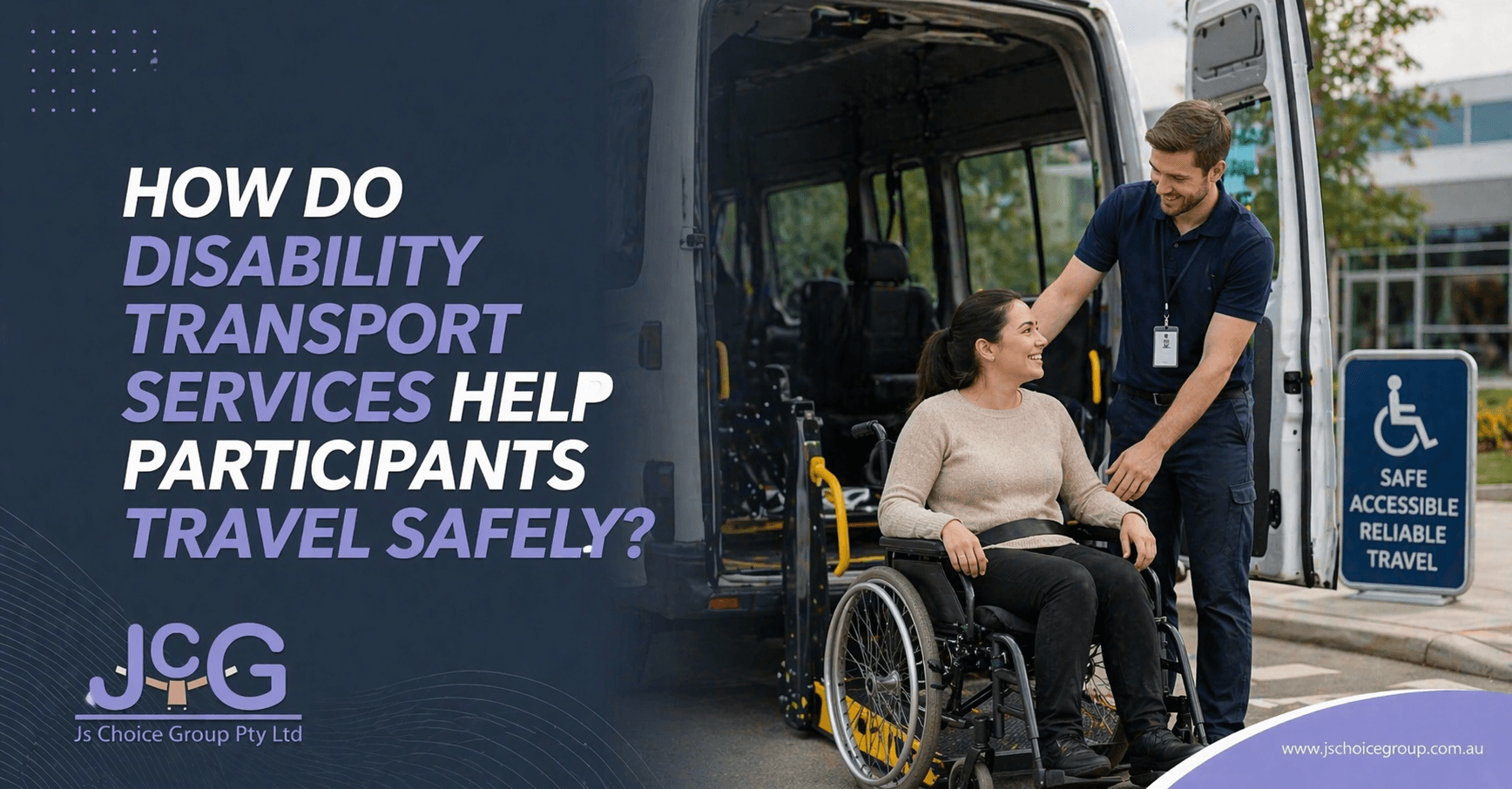
Disability transport services help NDIS participants travel safely by providing specialized vehicles equipped with ramps or lifts, professional assistance from trained support workers, and door-to-door oversight. These services address specific mobility barriers, ensuring that individuals who cannot use public transport can still reach work, therapy, and social events without risk.
By prioritizing equipment security and personalized care, these services eliminate the anxieties and physical dangers often associated with standard commuting. Under the NDIS, participants can access various transport-related supports to foster their independence.
Whether it is receiving a direct allowance for taxis or having a disability support worker provide a assisted commute, the scheme ensures that safety and accessibility are never compromised. This tailored approach allows participants to maintain their routines, build their confidence, and remain active members of their local community.
The Role of Specialized Vehicles in Safe Travel
One of the most significant ways disability transport services ensure safety is through the use of purpose-built vehicles. Standard cars or buses often lack the necessary infrastructure to transport participants with complex physical needs securely.
1. Wheelchair-Accessible Vans (WAVs)
Modified vans are the backbone of safe disability transport. They typically feature:
Hydraulic Lifts and Ramps: These eliminate the need for dangerous manual lifting, allowing participants to enter the vehicle while remaining in their wheelchair.
Tie-Down and Securement Systems: Professional-grade restraints ensure that wheelchairs are locked firmly in place, preventing movement during transit.
Increased Headroom and Floor Space: This ensures the participant is not cramped and that support workers have enough room to assist if a medical or physical need arises mid-journey.
2. Modified Sedans and Low-Floor Buses
For those who can transfer out of a wheelchair but struggle with high steps, low-floor vehicles and modified sedans with swivel seats provide a safer alternative. These modifications reduce the risk of falls and joint strain during boarding and disembarking.
Professional Assistance: Beyond Just Driving
Safety in disability transport isn't just about the vehicle; it's about the person behind the wheel. NDIS-registered transport providers employ staff who are trained specifically to handle disability-related challenges.
Trained Support Workers and Drivers
Support workers typically help with more than just navigation. Their training often includes:
Manual Handling: Ensuring safe transfers and correct posture for participants during boarding.
Emergency Protocols: Knowledge of how to respond to seizures, respiratory distress, or other medical events while on the road.
Equipment Knowledge: Proficiency in operating specialized lifts and securing various types of mobility aids.
Door-to-Door Oversight
Unlike public transport, which leaves participants at a stop, disability transport services often provide "door-to-door" or even "hand-to-hand" support. A support worker can assist you from your living room into the vehicle and walk you directly into your appointment, ensuring you are never left unattended in an unfamiliar or unsafe environment.
NDIS Transport Funding Levels in 2026
The NDIS provides specific funding to cover these safety-focused services. As of 2026, there are three standard annual transport funding levels, which are typically paid fortnightly into a participant's bank account:
Level 1 ($1,784 per year): Best for participants who travel occasionally for community access and social goals.
Level 2 ($2,676 per year): Designed for those working or studying up to 15 hours a week, or attending regular day programs.
Level 3 ($3,456 per year): The highest standard level for participants working or studying more than 15 hours a week who require specialized transport to maintain their commitments.
In exceptional circumstances, such as complex medical needs requiring frequent specialized nursing oversight during travel, the NDIS may fund amounts above Level 3.
Benefits of Safe Transport for Independence
When a participant feels safe while travelling, their entire outlook on community participation changes. Reliable transport is more than a convenience; it is a gateway to a fulfilling life.
1. Reduced Reliance on Informal Support
Many participants rely on family or friends for rides. While this "informal support" is valuable, it can lead to "carer burnout". Professional transport services give participants the freedom to travel on their own schedule without feeling like they are a burden.
2. Improved Mental Health and Social Inclusion
Isolation is a significant risk for those who cannot easily leave their homes. Safe transport allows participants to join clubs, visit friends, and attend social outings, which dramatically reduces feelings of loneliness and boosts self-esteem.
3. Better Health Outcomes
Missing medical or therapy appointments because of transport barriers can lead to a decline in health. Reliable disability transport ensures that you can attend every session of NDIS nursing services or occupational therapy without the stress of an inaccessible commute.
Capacity Building: Learning to Travel Independently
While some participants will always require specialized transport, others use their NDIS funding to build their own travel skills. NDIS plans often include funding for travel training under the Capacity Building budget.
Support providers typically help with:
Navigating Public Transport: Teaching participants how to use apps, read timetables, and use transport cards.
Problem-Solving: Learning what to do if a bus is late or if they get off at the wrong stop.
Building Confidence: Gradually increasing the complexity of trips until the participant feels safe travelling alone.
This capacity building is often a core goal in NDIS development and life skills programs, helping to reduce long-term reliance on specialized providers.
Frequently Asked Questions
Who is eligible for NDIS in Australia?
To be eligible for the NDIS, you must be under 65 years of age, an Australian citizen or permanent resident, and have a permanent and significant disability that affects your ability to perform everyday activities.
Can NDIS funding cover taxi or Uber fares?
Yes. If your disability prevents you from using public transport, you can use your recurring transport allowance to pay for taxis, rideshares, or specialized community transport services.
Does the NDIS buy the vehicle for me?
No. The NDIS does not purchase vehicles for participants. However, it may fund the cost of disability-related modifications (like lifts or hand controls) to a vehicle you already own or are planning to buy.
Can my support worker drive my own car?
Yes. If you have a car but cannot drive it, your support worker can drive you in your vehicle to appointments or social outings. You should ensure your insurance covers other drivers and discuss per-kilometre reimbursements with your provider.
Conclusion
Safe and reliable transport is the foundation of an independent life. By utilizing specialized disability transport services, you ensure that your journey is as secure as your destination. Whether you are heading to work or a social gathering, these professional supports provide the peace of mind needed to venture out with confidence.
If you are exploring NDIS support options, understanding your plan and available services can help you make informed decisions for your care and independence. For help coordinating your travel and community access, consider how disability transport services can be integrated into your weekly routine to keep you moving forward.