

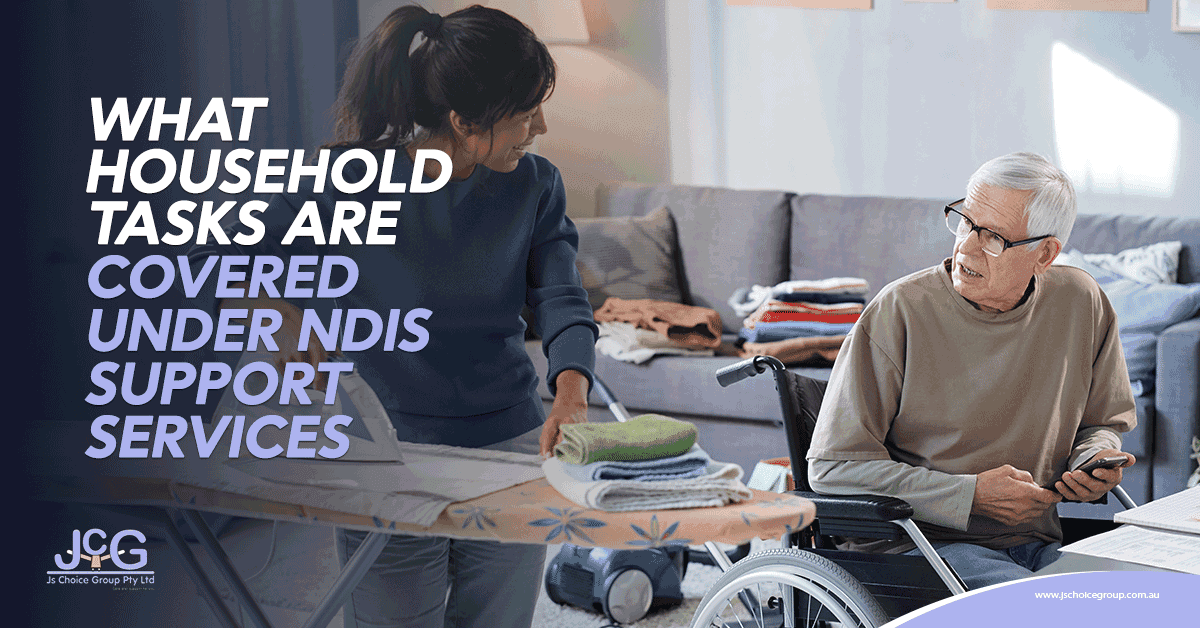
To maintain a safe, clean, and organized home, the NDIS provides a specific support category known as Assistance with Household Tasks. This service is designed for participants who find it difficult to perform essential chores due to the functional impact of their disability. These supports fall under the Assistance with Daily Life category within your Core Supports budget, offering a flexible way to manage your home environment while focusing on your long-term independence.
Under the NDIS, participants can access funding to hire a disability support worker to help with tasks they would typically perform themselves if they did not have a disability. Whether you need help with laundry, basic gardening, or meal preparation, these services are tailored to your specific goals and requirements. By removing the physical and mental burden of home maintenance, you can spend more time on community participation, employment, or therapy.
Detailed Breakdown of Covered Household Chores
Support providers typically help with various indoor and outdoor duties that are essential for the upkeep of a standard household. It is important to remember that these services are about assistance and capacity building, helping you live in a dignified and healthy space.
1. Cleaning and Sanitization
A hygienic living space is vital for your physical health and overall wellbeing.
General House Cleaning: This includes dusting surfaces, wiping down mirrors, and sanitizing high-touch areas like light switches and door handles.
Floor Care: Vacuuming carpets, sweeping hard floors, and mopping kitchens and bathrooms to ensure a slip-free environment.
Bathroom and Kitchen Upkeep: Thorough cleaning of toilets, showers, sinks, and ovens to maintain a high standard of cleanliness.
Window Cleaning: Basic cleaning of reachable windows and glass doors to improve natural light and visibility.
2. Laundry and Clothes Care
Managing a wardrobe can be physically demanding for those with limited mobility or chronic fatigue.
Washing and Drying: Loading the washing machine, hanging clothes on the line, or using a dryer.
Ironing and Folding: Ensuring clothes are neat, ironed, and ready to wear for work or social outings.
Bedding Changes: Stripping beds, washing linens, and remaking beds with clean sheets.
Mending and Sorting: Organizing drawers and performing minor repairs like sewing on buttons.
3. Nutrition, Meal Prep, and Kitchen Tasks
Healthy eating is much easier when you have support to manage the logistics of the kitchen.
Meal Planning and Shopping: Helping you create a weekly menu and going to the supermarket to buy groceries.
Cooking and Food Prep: Chopping vegetables, following recipes, and preparing nutritious meals that align with your dietary needs.
Dishwashing: Loading and unloading the dishwasher or washing pots and pans by hand.
Food Storage: Ensuring leftovers are stored safely and the fridge is cleared of expired items.
4. Basic Yard and Garden Maintenance
Safety and accessibility aren't just about what is inside the house; the area around your home must also be maintained.
Lawn Care: Routine lawn mowing to keep the grass at a safe and manageable height.
Weeding and Pruning: Clearing paths of weeds and pruning bushes that may block doorways or windows.
Outdoor Sweeping: Keeping driveways and pathways clear of leaves and debris to prevent tripping hazards.
Waste Disposal: Putting out the bins on collection day and bringing them back in.
Why These Supports Are "Reasonable and Necessary"
The NDIS only funds supports that meet their strict "reasonable and necessary" criteria. In the context of household tasks, this means the funding must directly relate to your disability and help you achieve your goals.
Promoting Independence
The ultimate goal is to help you do more for yourself. For example, a support worker might assist you in learning how to use a washing machine or help you develop a meal-prepping routine that minimizes physical strain. This capacity building is a core principle of the NDIS.
Preventing Secondary Health Issues
A clean home is a healthy home. For participants with respiratory issues or compromised immune systems, regular dusting and sanitization are not just chores—they are medical necessities. Similarly, meal preparation assistance ensures that participants maintain proper nutrition, which is vital for long-term health.
Reducing Carer Burnout
Many participants rely on family or friends for help. By utilizing NDIS-funded household support, you can reduce the burden on your informal support network, allowing your relationships with family and friends to focus on social connection rather than caregiving.
What the NDIS Will Not Pay For
While the list of covered tasks is extensive, the NDIS does not cover standard lifestyle expenses that every Australian pays for.
Consumables: You must buy your own laundry powder, dishwashing liquid, bin liners, and food.
Capital Equipment: The NDIS does not buy lawnmowers, vacuum cleaners, or dishwashers for your home.
Landscaping: Professional garden design, planting new trees, or structural landscaping are not covered.
Internal Repairs: Painting walls, fixing plumbing, or electrical work are considered home maintenance and are the responsibility of the homeowner or landlord.
Pet Care and Grooming: Routine pet maintenance is considered a personal choice and a standard living expense.
How to Maximize Your Household Support Funding
To ensure you have enough funding in your plan for these services, you must be prepared for your NDIS planning meeting or plan review.
Obtain a Functional Capacity Assessment (FCA): An Occupational Therapist can provide a report detailing exactly why you cannot perform specific chores and the impact this has on your life.
Align with Your Goals: Make sure your plan goals include phrases like "I want to live independently in my own home" or "I want to develop my daily living skills".
Keep a Diary: For a week or two, track the tasks you struggle with. This "lived experience" evidence is valuable for planners.
Use Support Coordination: If you have NDIS support coordination in your plan, your coordinator can help you find a provider that specializes in household assistance.
Professional Note: If your household needs are complicated by medical requirements, you may benefit from NDIS community nursing care to ensure your clinical health is managed alongside your home upkeep.
Frequently Asked Questions
Can I hire a family member to do my cleaning?
Generally, no. The NDIS expects family and friends to provide a certain level of "informal support". Funding is intended to hire professional, arm's-length workers to ensure you have a professional care relationship.
What happens if I move house?
If you move, your household task support can move with you. However, if your new home has different needs—like a larger garden—you may need to discuss a plan change with the NDIA to adjust your funding.
Is there a limit on how many hours of cleaning I can get?
The NDIS does not set a hard limit, but the hours must be "reasonable and necessary". This is determined by the evidence provided in your OT reports and your individual circumstances.
Can my support worker help me with decluttering?
While basic tidying is covered, professional decluttering or hoarding-specific support often requires specialized funding or intervention, as it is seen as different from routine weekly cleaning.
Conclusion
A well-maintained home is the foundation for a happy, independent life. By utilizing NDIS household task support, you can remove the daily stress of chores and focus your energy on the activities, goals, and people that matter most to you.
If you are exploring NDIS support options, understanding your plan and available services can help you make informed decisions for your care and independence. For more help with managing your home-based supports, check out our guide on NDIS personal care services and how they complement household assistance.