

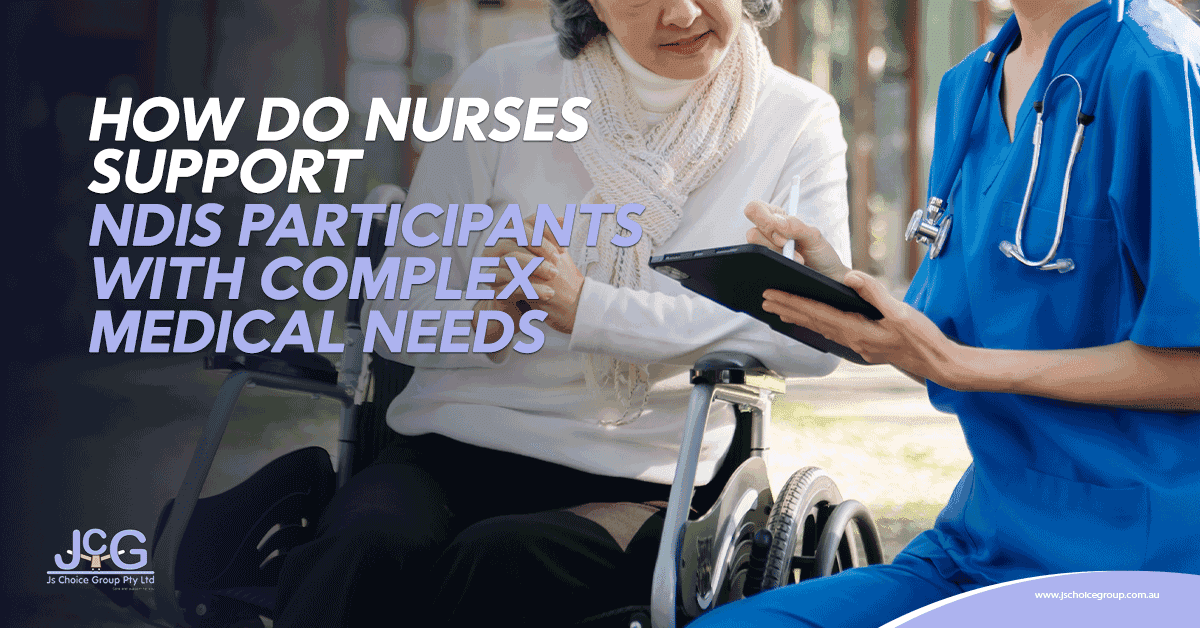
Nurses support NDIS participants with complex medical needs by providing high-intensity clinical interventions that ensure safety and stability within the home environment. These services go beyond basic care, utilizing the specialized training of Registered Nurses (RNs) and Enrolled Nurses (ENs) to manage health conditions that would otherwise require a hospital setting.
Under the NDIS, participants can access nursing support to manage specific disability-related health issues, ranging from advanced wound care to respiratory management. By providing this clinical oversight, nurses help participants maintain their health, reduce the risk of secondary complications, and improve their overall quality of life.
The Role of Nurses in Managing Complex Health
In professional disability support, the nurse acts as a clinical lead, ensuring that all medical protocols are followed correctly and safely. Support providers typically help with the design and implementation of complex health care plans tailored to each individual's requirements.
Clinical Assessment and Planning
Every support journey begins with a comprehensive health assessment conducted by a Registered Nurse. NDIS plans often include funding for:
Initial Health Assessments: Evaluating the participant's current medical status and identifying potential risks.
Care Plan Development: Creating detailed instructions for medication, nutrition, and emergency procedures.
Ongoing Monitoring: Regularly reviewing the participant’s health and adjusting the care plan as their needs change.
Key Nursing Supports for NDIS Participants
Nurses provide several life-sustaining supports that are critical for participants with high-intensity needs.
Enteral Feeding Support: Managing PEG or JEJ feeding tubes, including site care and monitoring nutritional intake.
Respiratory Management: Assisting with tracheostomy care, ventilator settings, and airway suctioning to ensure clear breathing.
Complex Medication Administration: Handling intravenous (IV) or subcutaneous medications that standard support workers cannot legally administer.
Continence and Catheter Care: Providing skilled insertion and maintenance of catheters and stoma care to prevent infections and complications.
Pressure Care and Wound Management: Treating chronic wounds and implementing strategies to prevent pressure sores for those with limited mobility.
Training and Support for Care Teams
One of the most valuable ways nurses support participants is by empowering the people around them. Under the NDIS, nurses are often funded to provide specialized training to family members and disability support workers.
This "delegation of care" ensures that the participant’s daily care team knows exactly how to respond to medical issues when a nurse is not present. Training often covers:
How to use specialized medical equipment safely.
Recognizing the early signs of health deterioration.
Emergency response protocols specific to the participant's condition.
If you are coordinating these complex services, your NDIS support coordination provider can help ensure your nursing budget is utilized effectively to cover both direct care and staff training.
Frequently Asked Questions
What constitutes a "complex medical need" under the NDIS?
Complex needs generally refer to conditions requiring high-intensity supports, such as enteral feeding, tracheostomy care, or management of severe epilepsy and complex wounds. These are tasks that require clinical judgment and specialized training.
Can a nurse visit me in Supported Independent Living (SIL)?
Yes, community nursing care can be delivered in a variety of settings, including your private home or within a Supported Independent Living arrangement.
How do I get nursing care added to my NDIS plan?
You must provide medical evidence from your doctor or specialists outlining why your health needs are directly related to your disability. A clinical assessment from a Registered Nurse is often the best way to justify this funding to the NDIA.
Conclusion
Nurses play a vital role in bridging the gap between clinical medicine and community life. Their expertise allows participants with even the most complex medical backgrounds to live with dignity and independence in their own homes.
If you are exploring NDIS support options, understanding your plan and available services can help you make informed decisions for your care and independence. For help with clinical documentation or finding providers, learning more about NDIS support coordination is a great place to start.