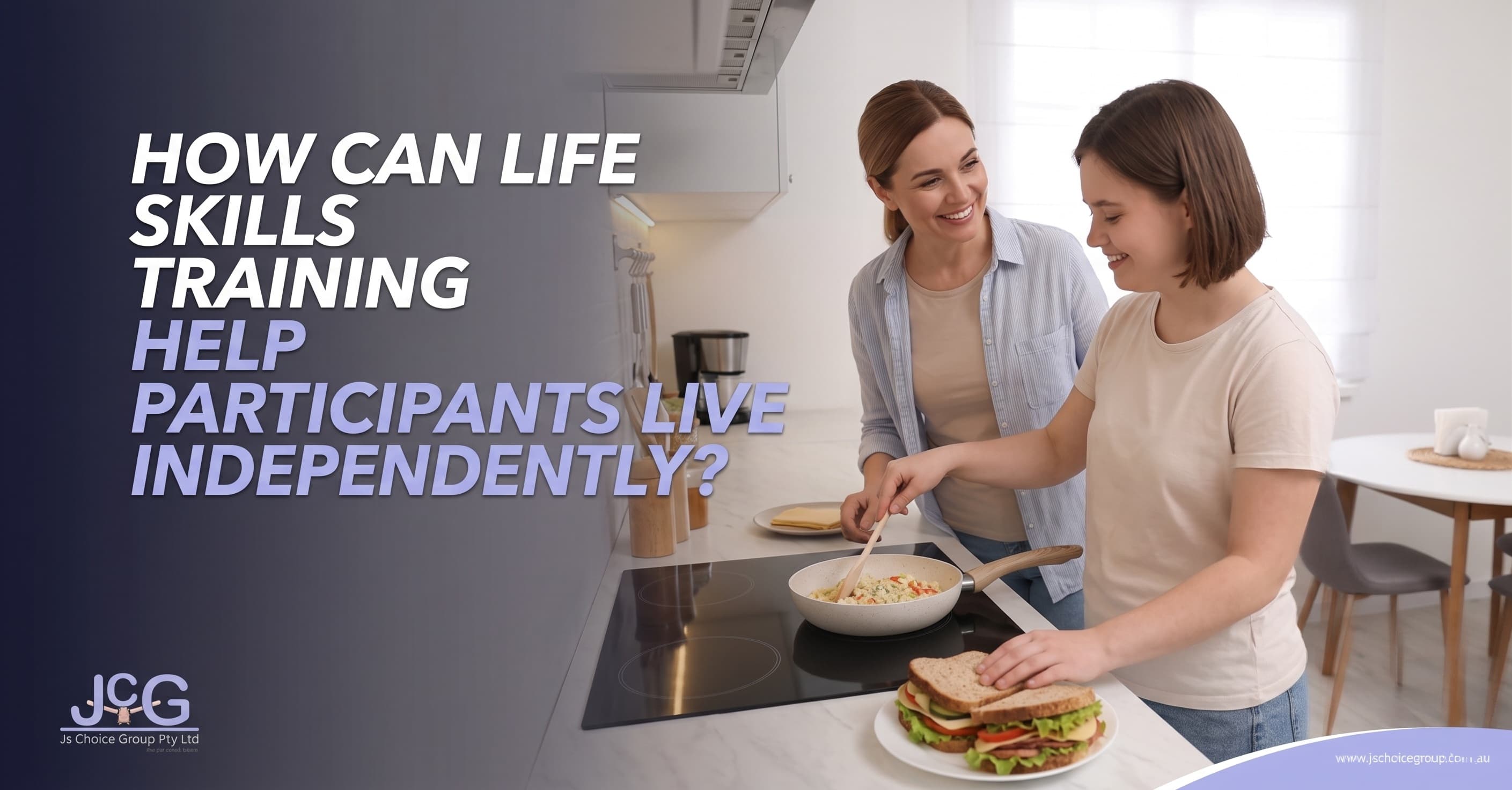
Life Skills Training helps NDIS participants live independently by teaching them the practical skills needed to manage their own daily routines, finances, and social interactions. By focusing on capacity building, this training reduces the long-term need for active assistance and empowers individuals to make their own choices about where they live and how they engage with their community.
Under the NDIS, participants can access training that covers everything from meal preparation and household chores to using public transport and managing a personal budget. These programs are designed to be practical and hands-on, ensuring that participants don't just receive help, but actually learn how to perform essential tasks for themselves in a safe and supportive environment.
What is NDIS Life Skills Training?
Life Skills Training is a core component of the NDIS "Capacity Building" support category. While NDIS personal care services provide someone to assist with tasks, life skills programs focus on teaching the participant to handle those tasks independently over time.
Support providers typically help with creating structured learning plans that align with the participant's long-term goals. These plans are often delivered through one-on-one coaching or group workshops, depending on what best suits the individual's learning style and NDIS plan management requirements.
Key Areas of Independent Living Skills
Training programs are highly individualized, ensuring that the skills taught are relevant to the participant's specific living situation and personal aspirations.
1. Household Management and Daily Tasks
Participants learn to maintain a safe and healthy home environment. This includes:
Meal Planning and Nutrition: Choosing healthy ingredients and learning to cook balanced meals.
Cleaning and Maintenance: Developing a routine for laundry, sanitizing living spaces, and basic yard care.
Personal Organization: Managing schedules and ensuring the home remains an accessible and organized space.
2. Financial Literacy and Budgeting
Managing NDIS funding and personal income is vital for true autonomy.
Basic Budgeting: Learning to track expenses and save for future goals.
Banking and Payments: Understanding how to pay bills on time and use digital banking tools safely.
Shopping Skills: Comparing prices and making informed purchasing decisions at the supermarket.
3. Travel and Community Access
Independence often depends on the ability to move freely outside the home.
Public Transport Training: Learning to read timetables, use transport cards, and plan routes.
Navigating the Community: Building the confidence to access community participation services independently.
Safety Awareness: Identifying safe places and knowing how to seek help if lost or confused while out.
Planning Tip: If you are finding it difficult to find the right training provider, your NDIS support coordination specialist can help link you with specialized educators.
The Benefits of Skills Training for Long-Term Independence
The shift from receiving daily living assistance to performing tasks independently has a profound impact on a participant’s quality of life.
Increased Confidence and Self-Esteem
Mastering a new skill, whether it is making a cup of coffee or catching the bus for the first time, builds a sense of pride and self-worth. This confidence often translates into other areas of life, such as seeking volunteer work or casual employment.
Choice and Control
When you have the skills to manage your own day, you gain genuine choice and control over your life. You are no longer reliant on the schedule of a support worker for every minor task, allowing you to live on your own terms.
Social and Community Inclusion
Improved communication and social skills make it easier to participate in the local community. Participants learn how to interact with shopkeepers, join social clubs, and build meaningful friendships that reduce the risk of isolation.
How to Get Life Skills Training in Your NDIS Plan
NDIS plans often include funding for these programs when they are shown to be a "reasonable and necessary" way to reach an independence goal.
Gathering Professional Evidence
To secure funding, you should provide evidence that training will increase your capacity. An Occupational Therapist (OT) report is often used to:
Identify specific functional gaps that training can address.
Recommend the number of training hours required to achieve a skill.
Explain how the training will reduce the need for more intensive supports, like Supported Independent Living (SIL), in the future.
Setting the Right Goals
During your plan meeting, use goal statements that focus on learning. Instead of saying "I need help with shopping," try saying "I want to learn how to shop and budget independently so I can manage my own household".
Frequently Asked Questions
Who is eligible for NDIS in Australia?
Participants must be under 65, live in Australia as a citizen or permanent resident, and have a permanent and significant disability that impacts their ability to complete daily activities.
What services does NDIS cover for independent living?
The NDIS covers personal care, household task assistance, skill development programs, and disability transport services, provided they help you reach your planned goals.
Can I do life skills training in a group?
Yes, many participants find group sessions beneficial for developing social skills while learning practical tasks like cooking or navigating the community.
Does life skills training help with employment?
Yes, by building foundational skills like time management, communication, and travel independence, you are much better prepared to enter the workforce.
Conclusion
Building the skills for independent living is a journey that requires time and the right support. Every task mastered is a step toward a life with more freedom, dignity, and active community involvement.
If you are exploring NDIS support options, understanding your plan and available services can help you make informed decisions for your care and independence. To help implement these capacity-building goals, consider talking to an NDIS support coordination specialist about finding the right programs in your area.