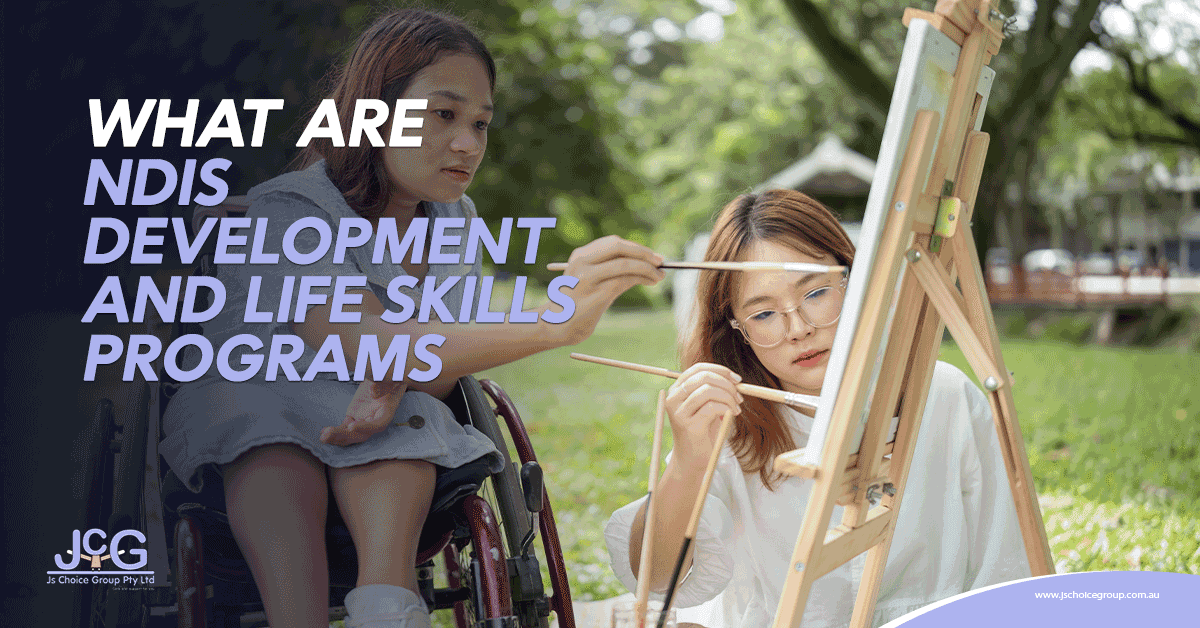
NDIS Development and Life Skills Programs are capacity-building supports designed to help participants increase their independence and autonomy. These programs focus on training and development activities that improve a participant’s ability to perform daily tasks, manage their personal affairs, and engage confidently in their community. Unlike standard care services, these programs emphasize "learning by doing" to reduce long-term reliance on support.
Under the NDIS, participants can access these programs to gain practical skills in areas like budgeting, public transport, nutrition, and social interaction. By focusing on individual goals, these supports empower participants to make informed decisions about their lives and move toward a more self-reliant future.
Understanding Development and Life Skills Under the NDIS
NDIS Development and Life Skills Programs fall under the Capacity Building support category of an NDIS plan. While Core Supports often provide someone to do a task for you, Capacity Building funding is used to teach you how to do the task yourself.
Support providers typically help with structured training sessions that are tailored to the participant's specific functional needs and long-term aspirations. These can be delivered one-on-one in the home or through group sessions in a community setting, fostering both individual growth and community participation.
Key Areas of Skill Development
The scope of these programs is broad, covering almost every aspect of independent living. Common areas of focus include:
Daily Living Skills: Training in personal hygiene, dressing, and preparing healthy meals.
Financial Management: Learning how to manage NDIS funding, use a bank account, and create a household budget.
Communication and Social Skills: Developing the confidence to interact with others, resolve conflicts, and build meaningful relationships.
Travel and Transport Training: Learning how to plan routes and safely use disability transport services or public transit.
Problem-Solving and Decision-Making: Building the critical thinking skills needed to handle unexpected situations independently.
Planning Tip: If you are unsure which skills to prioritize, your NDIS support coordination provider can help you identify gaps in your current capacity and find programs that align with your goals.
Benefits for Participants and Carers
The primary benefit of these programs is the shift from "being cared for" to "being empowered".
For the Participant
Greater Confidence: Mastering a new skill provides a sense of achievement and boosts self-esteem.
Long-Term Independence: Developing life skills can eventually lead to a need for fewer hours of daily living assistance.
Social Inclusion: Improved social skills make it easier to join clubs, volunteer, or find employment.
For Families and Carers
Reduced Carer Stress: As the participant becomes more independent, families may experience a reduction in their daily caregiving load.
Peace of Mind: Knowing that a loved one has the skills to handle emergencies or daily tasks safely provides significant emotional relief.
How to Access Skill Development Funding
To have these programs included in your plan, you must demonstrate that they are "reasonable and necessary" for your growth.
Set Clear Goals: During your plan meeting, specify that you want to "learn how to" rather than just "receive help with" certain tasks.
Provide Professional Evidence: Reports from an Occupational Therapist can highlight areas where skill training will have the most significant impact on your independence.
Choose the Right Provider: Work with your NDIS support coordination team to find providers who specialize in capacity building and have a track record of helping participants reach their milestones.
Frequently Asked Questions
Who is eligible for NDIS in Australia?
To be eligible for the NDIS, you must be under 65 years old, an Australian citizen or permanent resident, and have a permanent and significant disability that affects your ability to complete everyday activities.
What is the difference between SIL and Life Skills programs?
Supported Independent Living (SIL) provides the support workers who help you with daily tasks in your home. Life Skills programs focus on teaching you the skills so you can eventually perform those tasks with less help.
Can I use these programs to learn how to drive?
The NDIS may fund specialized driving assessments or training if it is directly related to your disability and is required for you to achieve your goals, such as finding work.
Conclusion
Mastering the skills of daily life is a powerful way to take control of your future. Whether it is learning to cook a favorite meal or navigating the city's train network, every step toward independence is a step toward a more fulfilling life.
If you are exploring NDIS support options, understanding your plan and available services can help you make informed decisions for your care and independence. Connecting with an experienced NDIS support coordination team is a great way to start your journey toward greater autonomy.